Ductless Mini Split AC System Services in PA
For ductless mini split installations done right, call the experts in PA!
EFE Home Services in Allentown, PA has been in the HVAC business for over 50 years. We know a thing or two about air conditioners, specifically ductless mini split AC systems. We carry leading brands with all the modern features you need to keep your home cool and comfortable all summer long. We are a licensed and insured heating and cooling company dedicated to serving the community. Call us today to discuss if a ductless mini split system is right for your home.
How Ductless Mini Split Systems Work
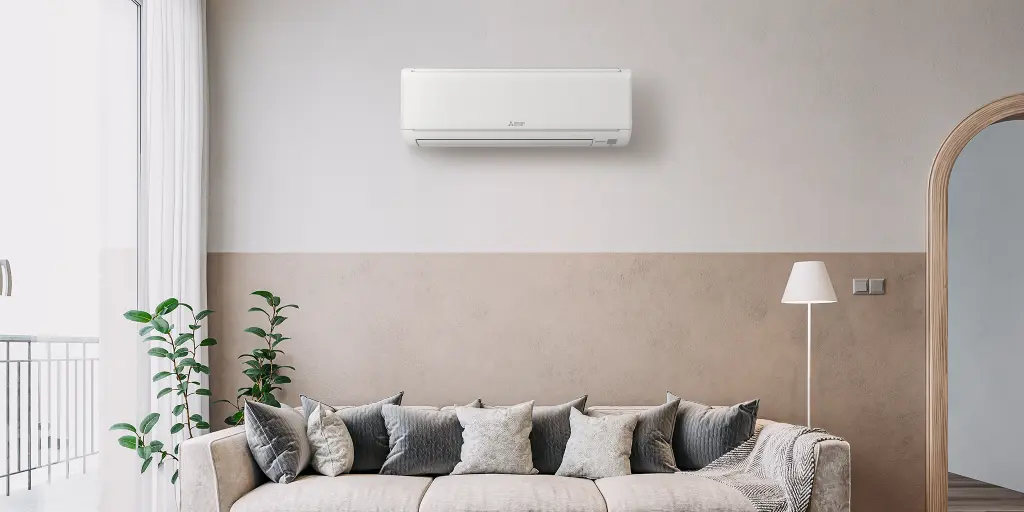
A ductless mini split air conditioner is a group of blowers mounted on walls inside the home. It sends cooled air to certain areas of your house through wall mounted blowers inside, instead of through ducts. These modern air conditioners differ from other types of AC systems in the following ways: The connections – these units are attached by suction lines that direct condensation away, by refrigerant lines that distribute warm air, and power lines for smooth performance. Heat Pumps – the heat pumps send heat from warm areas to cool areas. They can both heat and cool while conserving energy. Indoor Units – ductless mini split air conditioner units are placed indoors, on the outside walls.
Advantages of a Ductless Mini Split System
Ductless mini split air conditioners have many advantages, such as excellent energy-efficiency and sound control. These modern AC units are ideal for add-ons and home remodels.
Other benefits of ductless systems over other air conditioners include:
Ease of installation
High energy efficiency
Quiet operation
Ideal for retrofit add-ons
EFE Home Services has been repairing and installing ductless mini split systems for fifty years, so you can rely on us to bring you the best products and service in the area.
Drawbacks of Ductless Mini Split Systems
Before you purchase a ductless mini split system, be aware that they have limitations. Upfront cost, maintenance, and aesthetics are three of the more significant disadvantages of these cooling units. Typically, the initial purchase of a mini-split system will be more expensive than that of a conventional AC system. But depending on how you use your system and the climate in your area, you may be able to recoup those costs with lower energy bills every month.
Additionally, ductless mini split systems require routine maintenance, particularly if anyone in the house smokes or if you have pets in the house. Filters will need to be replaced or cleaned regularly.
Aesthetics is another factor in consumers’ minds, and because ductless mini split systems are not hidden away line central AC units, they may not fit in with your home’s existing décor.